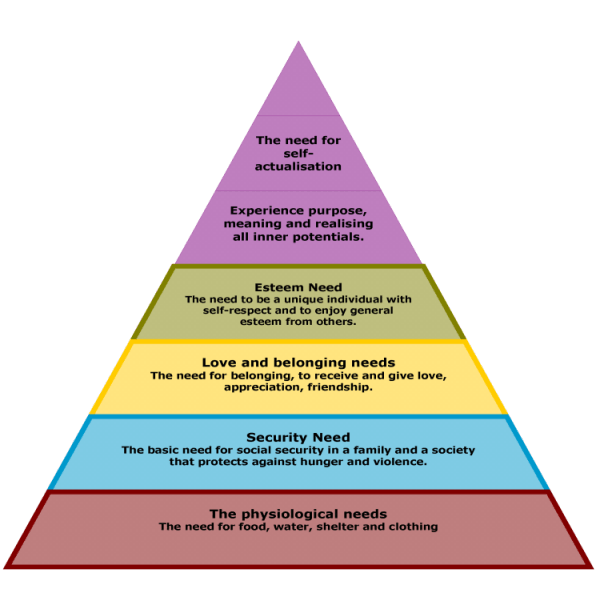
MOTIVATION AND EMOTION
Motivation is the energizing and directions of our behavior.
THREE KEY PERSPECTIVES OF MOTIVATION
Drive-reduction theory: We feel motivated when pushed by a physiological need to reduce a drive (such as thirst), or when pulled by an incentive in our environment (ice cold drink).
Arousal Theory: We also feel motivated to behave in ways that maintain arousal (for example, curiosity-driven behaviors).
PHYSIOLOGICAL FACTORS PERTAINING TO HUNGER
Empty-stomach pangs and low levels of blood glucose motivate hunger.
Appetite hormones heighten or reduce hunger.
To maintain a stable weight (set point), the body adjusts its basal metabolic rate of energy use according to how much food we eat.
PSYCHOLOGICAL FACTORS THAT AFFECT OUR EATING
Our memory of when we last ate affects our expectation of when we should eat again.
We universally prefer certain tastes (such as sweet and salty).
We learn taste preferences from family and culture.
Some taste aversions (such as to foods that have made us sick) have survival value.
Cultural pressures, low self-esteem, negative emotions, and perhaps a genetic factor seem to interact with stressful life experiences to produce anorexia and bulimia.
Fat cells store a concentrated fuel reserve for our bodies-perfect for feast/famine times, but no longer adaptive.
Genes influence the number and size of our fat cells and our body weight.
Weight loss challenges: The size but not the number of fat cells is reduced by a diet, fat cells require less energy than muscle cells to maintain, and metabolism decreases (and hunger increases) when body weight drops.
Ways to increase odds of success: Reduce exposure to food cues, boost energy use through exercise, set realistic goals, and make a lifelong change in eating patterns.
THE NEED TO BELONG
When shunned by others, people suffer from stress and depression and may engage in self-defeating or antisocial behavior.
Those who are socially secure in their relationships tend to be healthier and happier.
COMPONENTS AND THEORIES OF EMOTION
Emotion: whole body response involving physiological arousal, expressive behaviors, and conscious experience.
Cannon-Bard Theory: Our body responds to emotion at the same time that we experience that emotion. (Neither one causes the other).
BODILY CHANGES THAT ACCOMPANY EMOTIONS
Our autonomic nervous system controls the body changes that accompany emotions.
The large-scale body changes that accompany sexual arousal, fear, and anger are very similar (increased perspiration, breathing, and heart rate), though they feel different.
The small-scale body changes are different. For example, fear stimulates different facial muscles than joy does.
Emotions use different circuits in the brain. For example, greater activity in the left frontal lobe signals positive rather than negative moods.
Polygraphs (lie detectors) attempt to measure physical evidence of emotions, but they are not accurate enough to justify widespread use.
THE INTERACTION BETWEEN THOUGHT AND FEELING
Zajonc and LeDoux showed that simple emotions (such as likes, dislikes, and fears) may occur instantly, without conscious appraisal. Such responses are difficult to change by thinking.
Lazarus, Schachter , and Singer found that conscious appraisal and labeling are key parts of more complex emotions (moods, hatred, and love).
A psychologist who is solely interested in how aspects of the environment lead to changes in behavior might best be referred to as a(n):
Study # 2
Study Guide Exam # 2
What is Classical Conditioning? What are its basic mechanisms?
How does classical conditioning apply to aspects of life outside the laboratory, like learning to like or fear someone or something, learning to hate certain foods or other aspects of the environment?
What is Operant Conditioning? What does it highlight the consequences of learning?
How does Operant Conditioning apply to real life?
What are some beneficial aspects of punishment? Some limitations?
How do behavioristically oriented psychologists explain superstition and insight (very cognitive ideas, at least on the surface)?
What are social-cognitive theories of learning, and how do they differ from strict behaviorist theories of learning?
How do cognitions influence learning, as exemplified in the phenomena of latent learning and observational learning, and the role played by perceptions of what they learn?
How do personal beliefs about us influence motivation to learn?
How does society respond to an individual's gender in ways that influence learning?
How do learning psychologists account for how children learn to be moral?
What is cognition, and what are its primary elements?
Is all thought conscious? To what extent might it be non-conscious?
What are the characteristics of formal and informal reasoning?
What are the basic aspects of creative thinking?
How does Piaget describe the development of thought, in children?
What are some barriers to rational reasoning?
What do scientists know about the intelligence and language use of non-human animals?
In what ways is memory a product of reconstructive processes?
How is memory affected by suggestions made by questioning others?
How do scientists measure and conceptualize memory?
What are the "boxes" that make up the three-box model of memory? How much information does each "box" store? What does each "box" do?
What are the primary ways in which memory is maximized?
What are the primary reasons for why individuals forget?
Is there something special about memory for autobiographical information?
How do the social roles we play and the norms we live by influence the kinds of behaviors we do?
What social forces influence behavior when people congregate into groups?
How does the social context influence beliefs, perceptions, and other aspects of cognition?
What aspects of the social world influence motives to achieve and work?